






Hong Kong in the 1960s
1960s Hong Kong can be viewed as a watershed in the development of the city. At that time, Hong Kong was still a British colony. Manufacturing continued expanding, and the economic boom made Hong Kong one of four Asian tigers, along with Singapore, Taiwan and South Korea.
Cityscape of 1960s Hong Kong
In the early 1960s, three million people lived in Hong Kong, with half the population under the age of 25. Like many parts of the world, this generation is known as the baby boomers after WWII. Simultaneously, refugees from mainland China continued emigrating to Hong Kong, especially after the Cultural Revolution in the mid-1960s. This wave of emigration had started in 1949 when Civil War in China caused businesses and tycoons to relocate from Shanghai to Hong Kong.


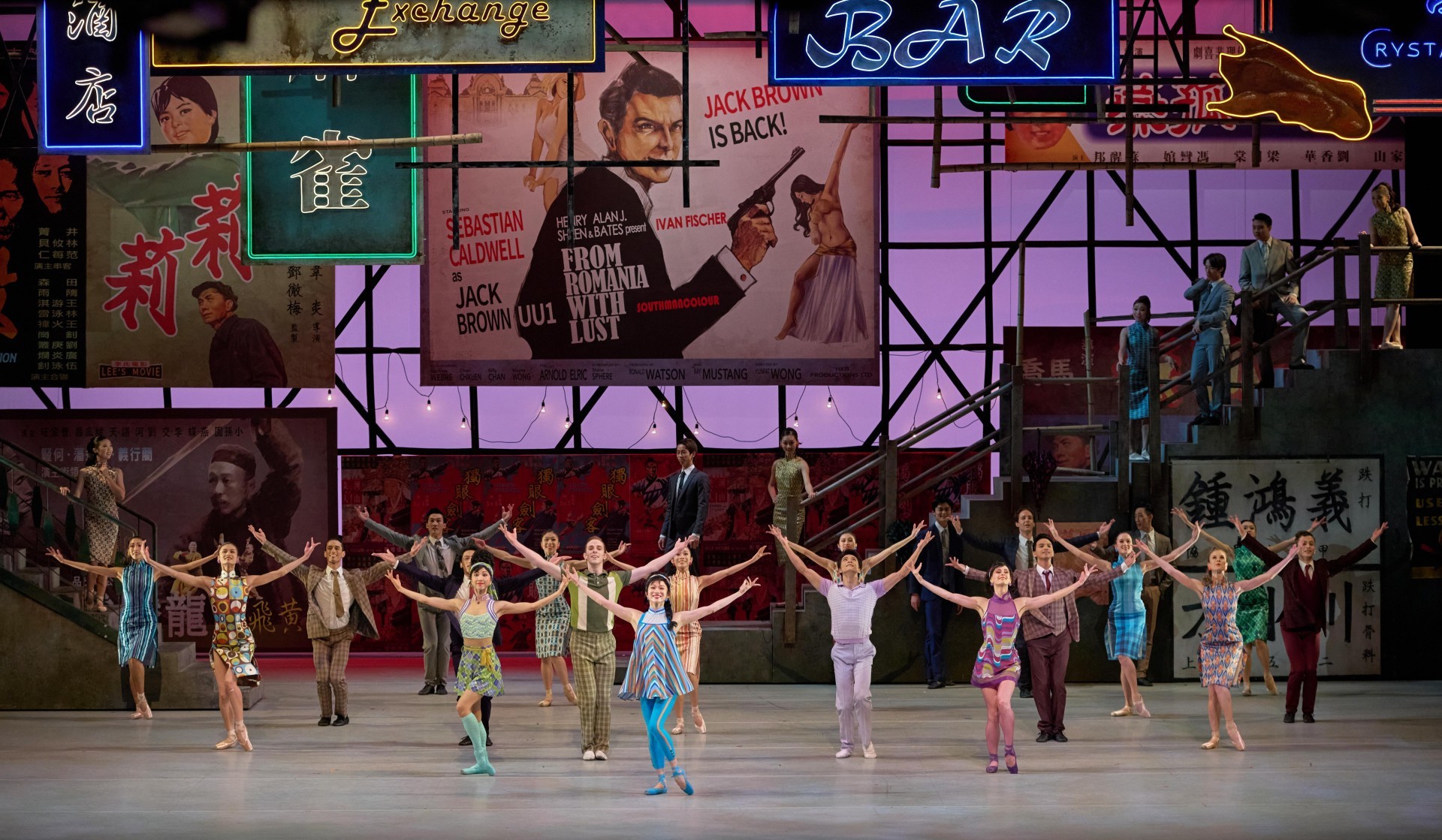
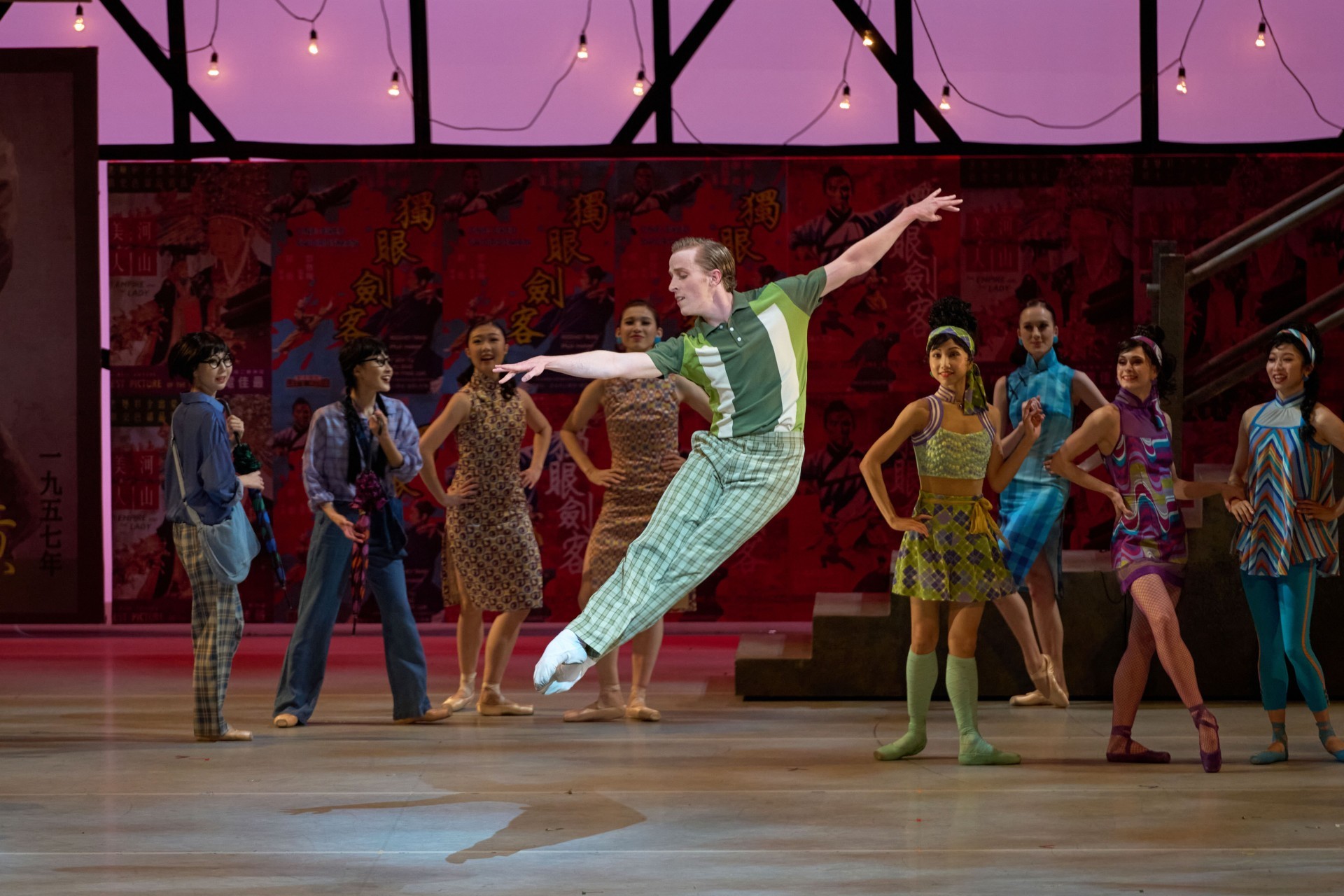
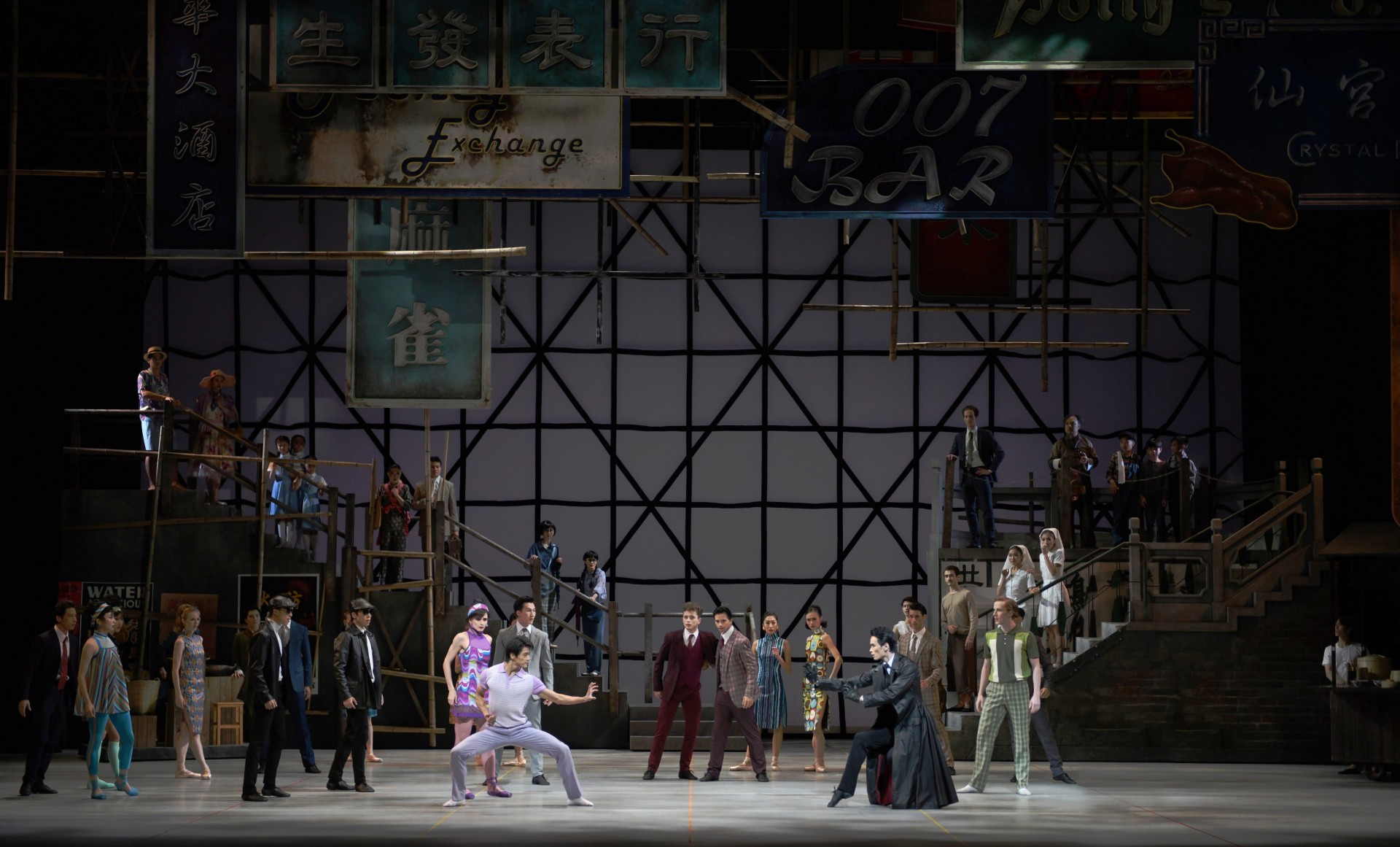
Vibrant Street Scenes

Interestingly, the street scene was vibrant in the 1960s. For instance, some martial art masters came to Shanghai Street in Kowloon (a peninsula in Hong Kong) to run bone-setting clinics or dojos (martial arts schools). The masters sifu were well-rounded – they knew martial arts, bone-setting and Chinese medicine.
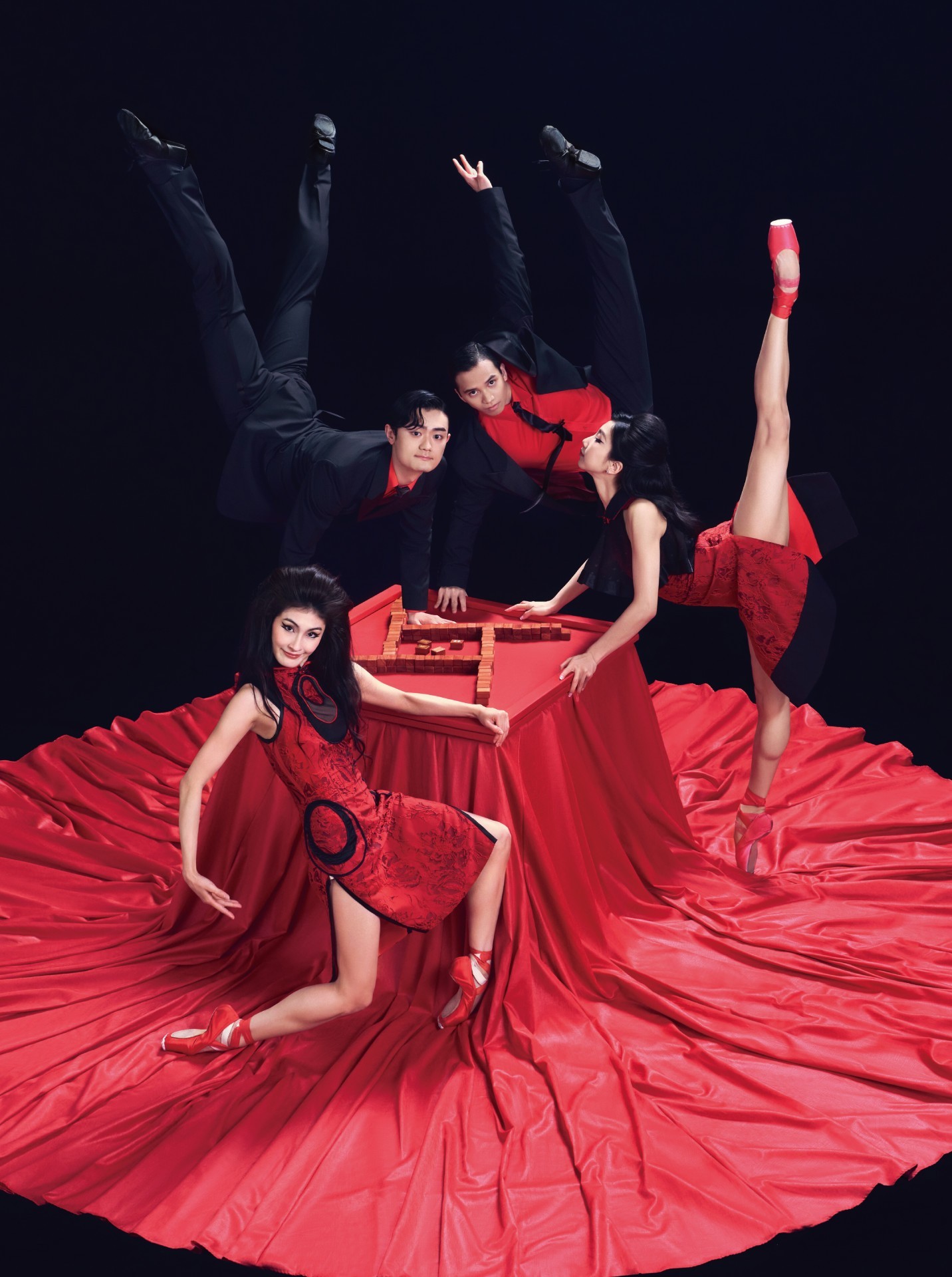
The streets were energetic with people from various walks of life. Hawkers sold street food and daily necessities, street performers blended circus craft, martial arts, comedy and Cantonese opera, builders used bamboo as scaffolding for construction. If someone passed away, people held the coffin and walked around the deceased’s neighbourhood. Mahjong games were popular as well.

Mahjong Game Under Neon Lights

1960s Hong Kong cinema was still greatly influenced by Chinese films, including Taiwan films, and the industry had its first cultural icons in Connie Chan Po Chu. TVB, the first free on-air TV station, was established in 1967.

Filming at the Street

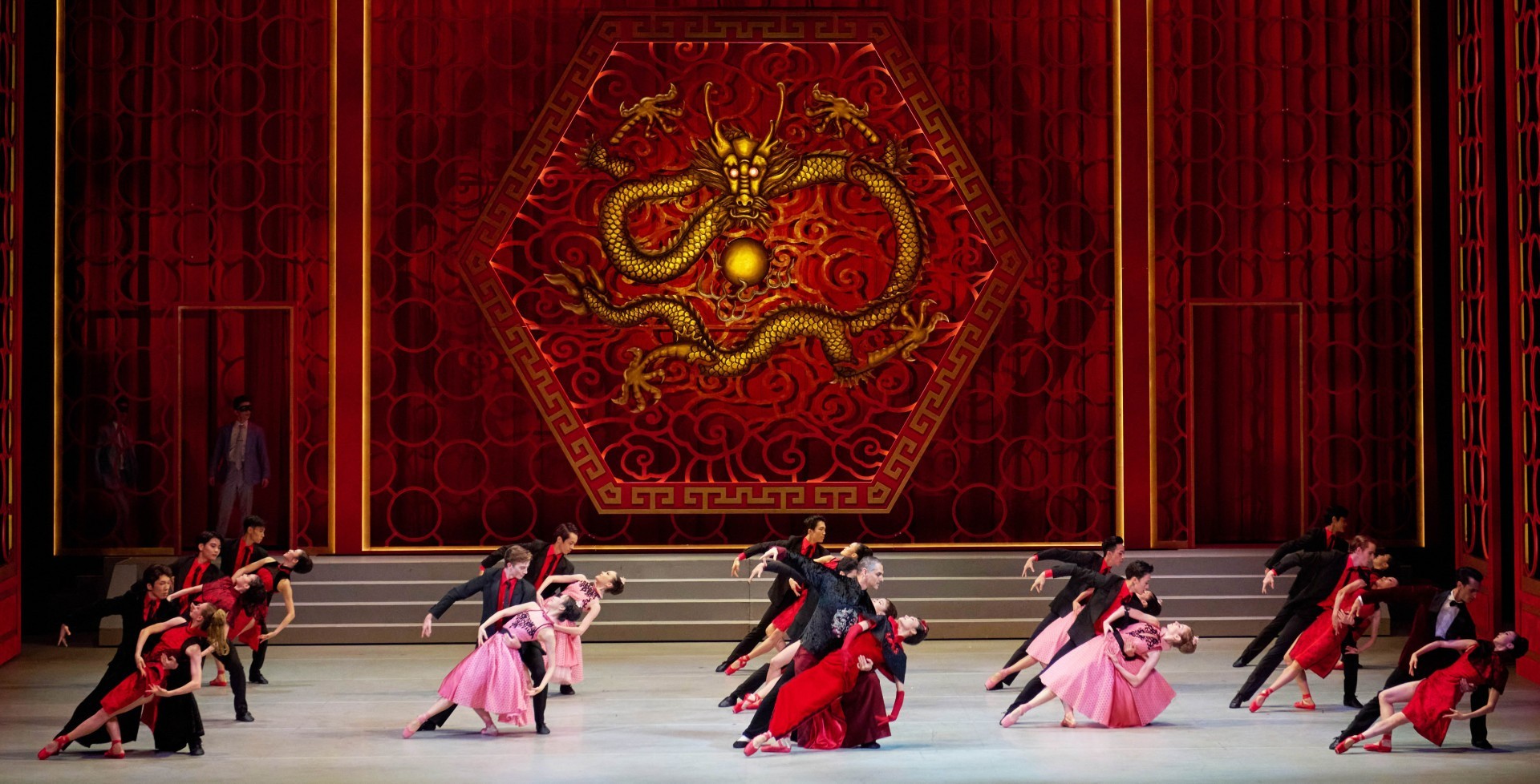
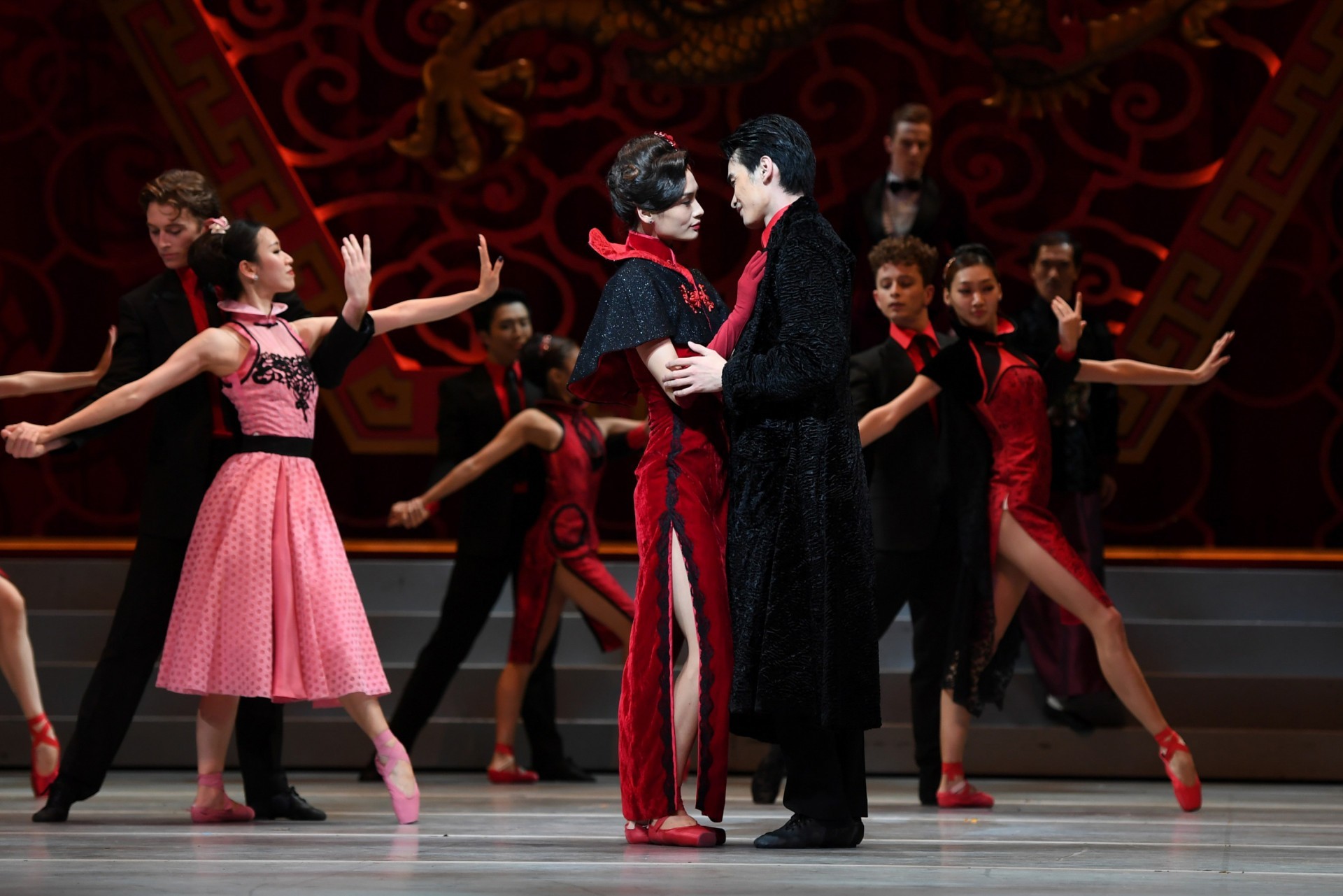
While most citizens enjoyed and struggled in their lives, the upper class led a very different life. The political and economic elites had parties and balls at their luxurious mansions. Most of the elites were white men, mixed with Chinese tycoons, who lived on Hong Kong island. At parties, there were not only formal western dresses but also beautiful traditional cheungsams. The gala dinner in this production was inspired by the famous Jumbo Floating Restaurant, which tragically (and suspiciously) sunk in 2022.

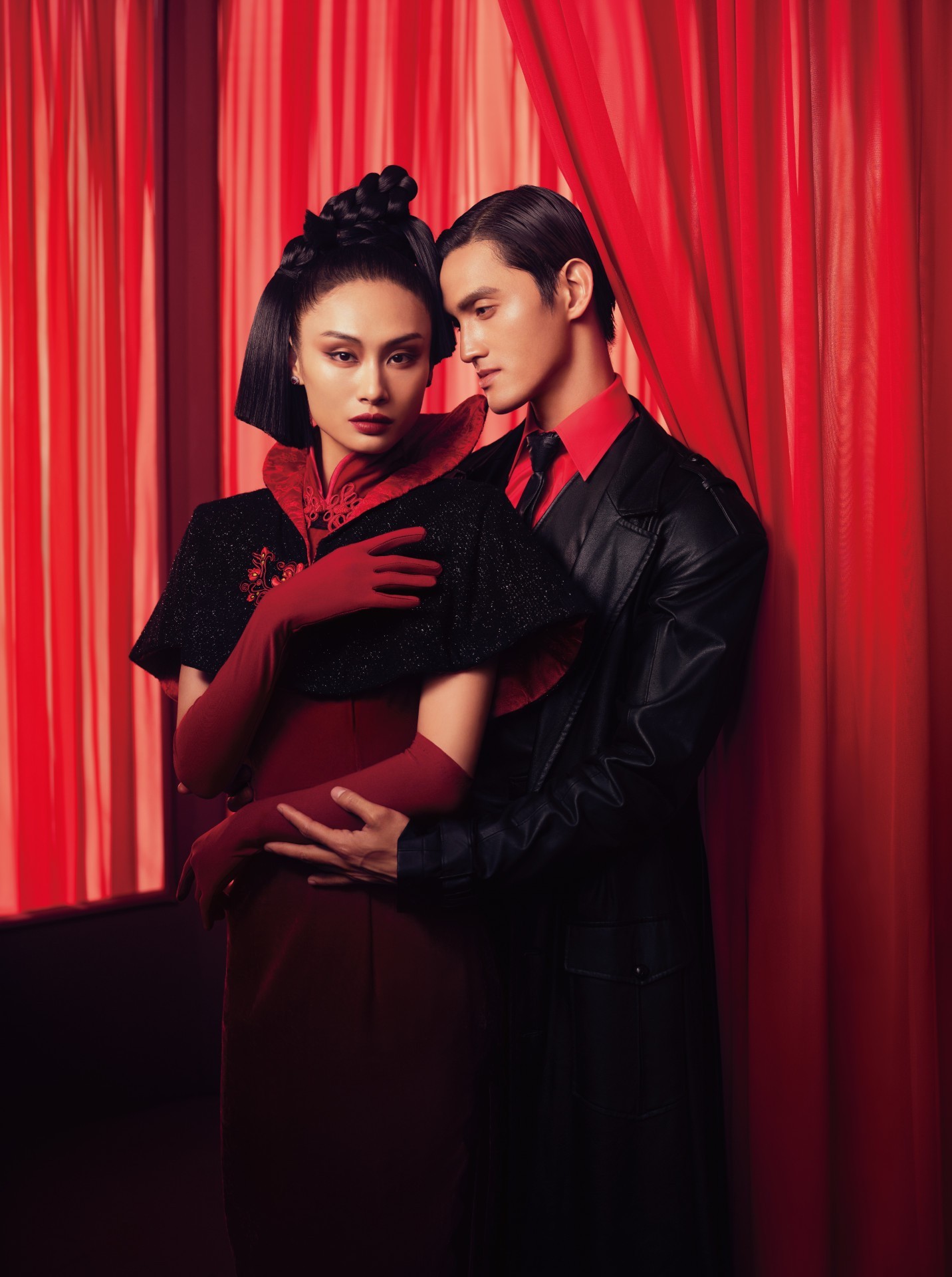
Elegant Cheongsams

Jumbo Floating Restaurant and the Ballroom Scene in Romeo + Juliet
Hong Kong was once viewed as a ‘borrowed place’ in a ‘borrowed time’. Nevertheless, it is now widely agreed that Hong Kong’s identity emerged after the 1960s, especially after the 1967 riots. Locals started to treat Hong Kong as their home. We may even say it is the beginning of the stories of Hong Kong for the next 50 years.
Written by Pat To Yan
Set Design
Set designer Ricky Chan created incredibly authentic scenes to bring 1960s Hong Kong to life. From using ubiquitous signs and distinct bamboo scaffolding to loud Chinese restaurants and bustling markets, Ricky shares about how he re-created everything for the stage.
Costume Design
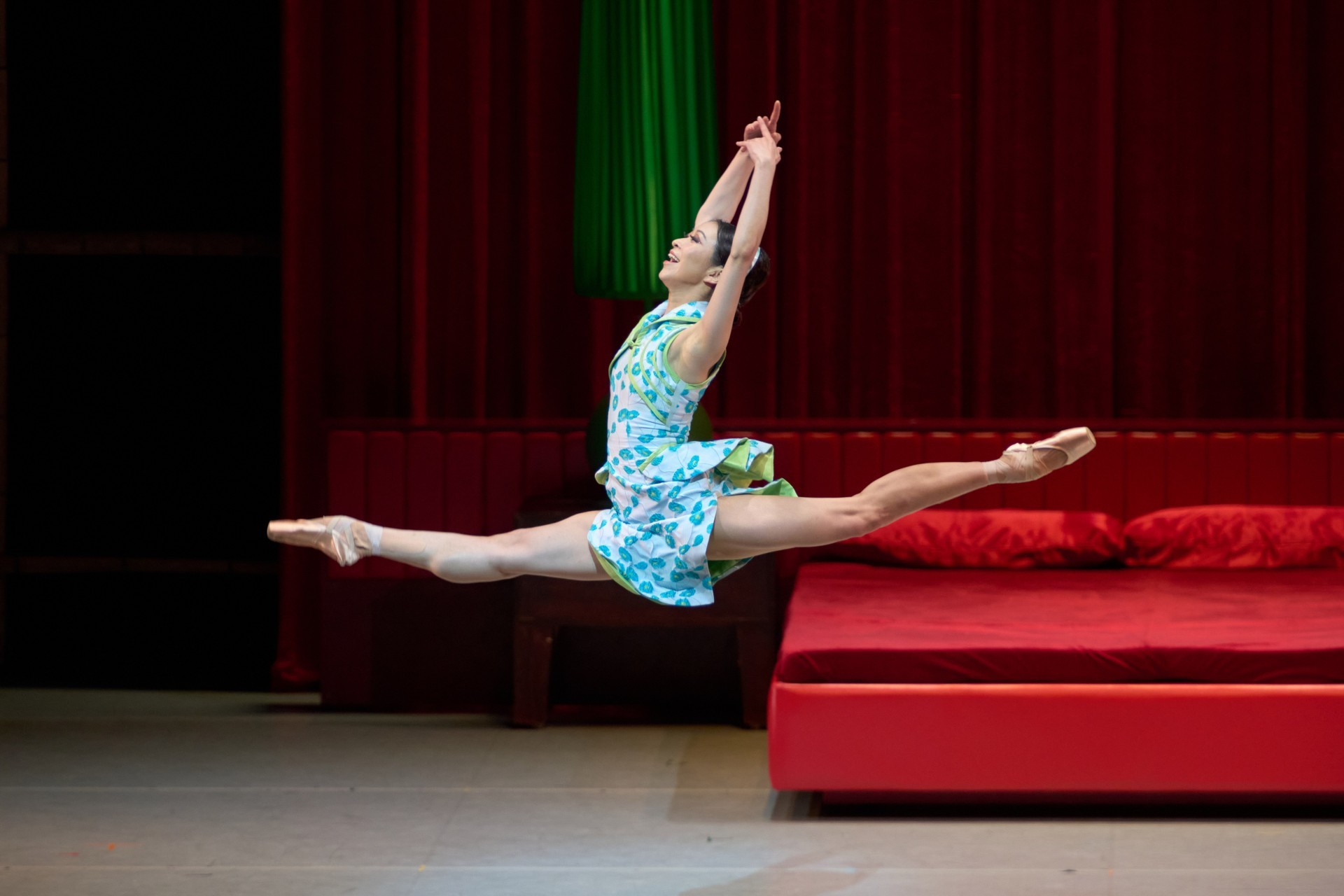
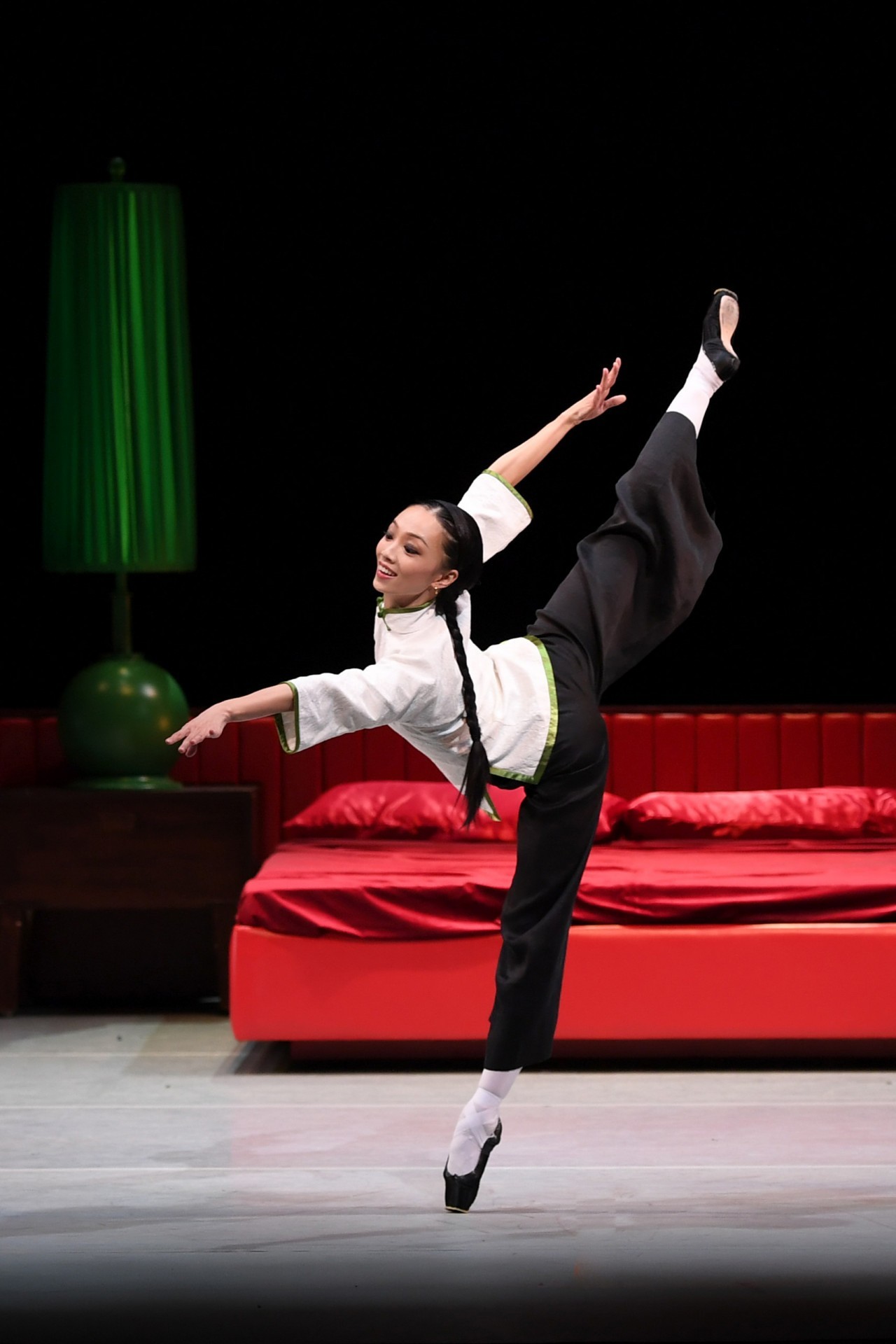
Paying homage to 1960s Hong Kong, costume designer Mandy Tam mixed East and West with elegant cheongsams alongside stylish leather jackets and used bold patterns and intense colours to reflect the characters in Romeo + Juliet.
Kung Fu
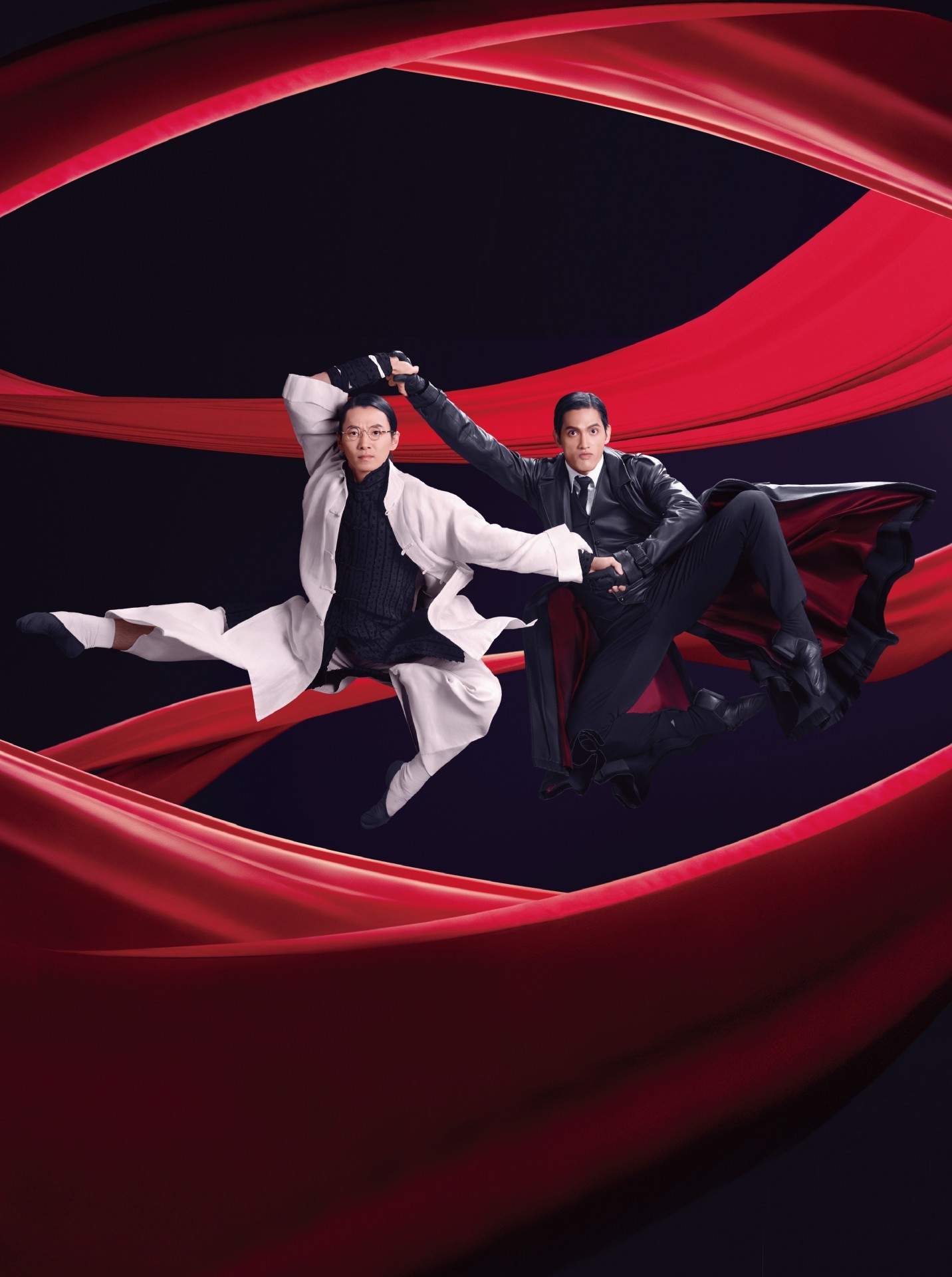
In a rare encounter between kungfu and ballet, martial arts advocate Hing Chao and International Guoshu Association kungfu masters extensively trained our dancers in intense martial arts combat and collaborated with Septime Webre to choreograph the production’s spine-tingling martial arts fight scenes.